Sports Injuries and Arthroscopic Surgery

Overview

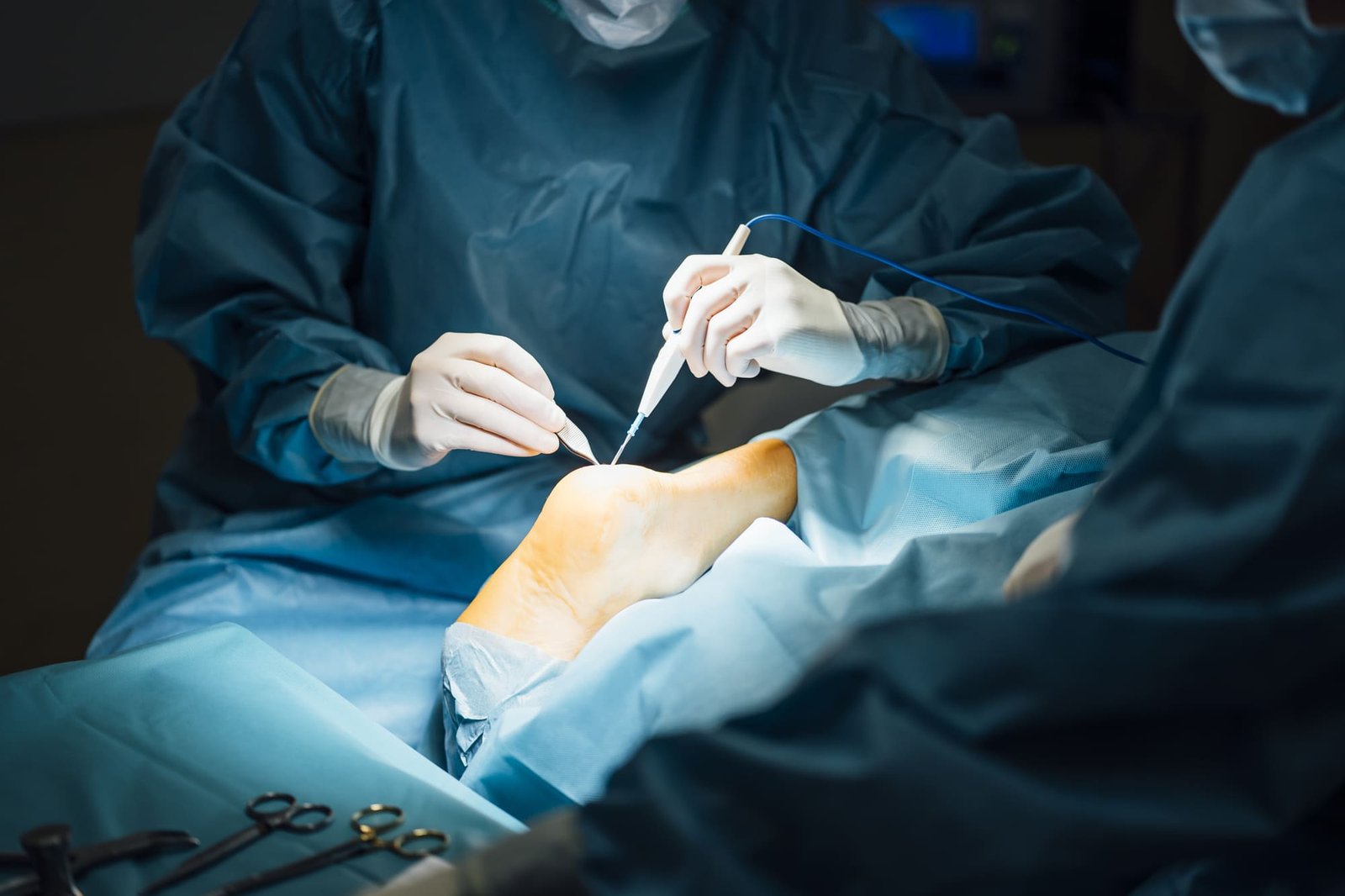
Sports-related injuries commonly affect the ligaments, tendons, cartilage, and soft tissues of joints, particularly the knee, shoulder, elbow, and foot. These injuries may result from acute trauma or repetitive overuse.Modern orthopaedic management combines minimally invasive arthroscopic techniques with structured rehabilitation to restore function, stability, and performance.

Common Sports Injuries Managed

Knee Injuries

  • Anterior Cruciate Ligament (ACL) injuries
  • Posterior Cruciate Ligament (PCL) injuries
  • Posterolateral corner (PLC) injuries
  • Meniscal tears

Shoulder Injuries

  • Recurrent shoulder instability
  • Labral tears (Bankart lesions)
  • Rotator cuff tears

Overuse Conditions

  • Tennis elbow (lateral epicondylitis)
  • Golfer’s elbow (medial epicondylitis)
  • Plantar fasciitis

Clinical Presentation

Patients may present with:

  • Joint pain and swelling
  • Instability or giving way (knee/shoulder)
  • Reduced strength or range of motion
  • Mechanical symptoms (locking, catching)
  • Pain with activity or repetitive movements

Diagnosis

Clinical Evaluation

  • Detailed history (mechanism of injury or overuse)
  • Joint stability testing
  • Functional assessment

Imaging

  • MRI – Gold standard for ligament, cartilage, and tendon injuries
  • X-ray – To exclude fractures or assess alignment
  • Ultrasound – Useful in tendon-related conditions

Non-Surgical Management

Many sports injuries can initially be managed conservatively:

  • Physiotherapy and rehabilitation
  • Activity modification
  • Anti-inflammatory medications
  • Bracing or support
  • Local injections (in selected cases)

Surgical Management (Arthroscopic and Reconstructive Procedures)

Surgery is considered in cases of instability, persistent symptoms, or failure of conservative treatment.

Common procedures include:

Knee

  • ACL reconstruction
  • PCL reconstruction
  • Posterolateral corner reconstruction
  • Partial meniscectomy
  • Meniscal repair

Shoulder

  • Arthroscopic Bankart repair
  • Arthroscopic rotator cuff repair
  • Latarjet procedure (for recurrent instability with bone loss)

These procedures are typically performed using minimally invasive arthroscopic techniques, allowing precise treatment with reduced tissue damage.

Management of Overuse Conditions

Tennis Elbow / Golfer’s Elbow

  • Activity modification
  • Physiotherapy and eccentric strengthening
  • Bracing
  • Injections (e.g., corticosteroid or PRP in selected cases)
  • Surgery (rare, for resistant cases)

Plantar Fasciitis

  • Stretching exercises (plantar fascia and calf)
  • Orthotics and footwear modification
  • Physiotherapy
  • Injections (selected cases)
  • Surgical release (rare cases)

Expected Outcomes

  • Restoration of joint stability
  • Pain relief
  • Return to sports and physical activity
  • Improved strength and function

Risks and Complications

  • Infection
  • Residual instability
  • Stiffness
  • Re-injury or graft failure
  • Persistent pain

Rehabilitation and Recovery

  • Rehabilitation is essential for successful outcomes:

    • Early mobilization
    • Progressive strengthening
    • Proprioception and neuromuscular training
    • Sport-specific rehabilitation

    Return to sports depends on the injury and procedure (typically 3–9 months for major ligament reconstructions).

Prognosis

With appropriate treatment and adherence to rehabilitation, most patients achieve excellent outcomes and are able to return to their previous level of activity.

Summary

Sports injuries range from acute ligament tears to chronic overuse conditions. A tailored approach combining conservative management, advanced arthroscopic techniques, and structured rehabilitation ensures optimal recovery and safe return to activity.