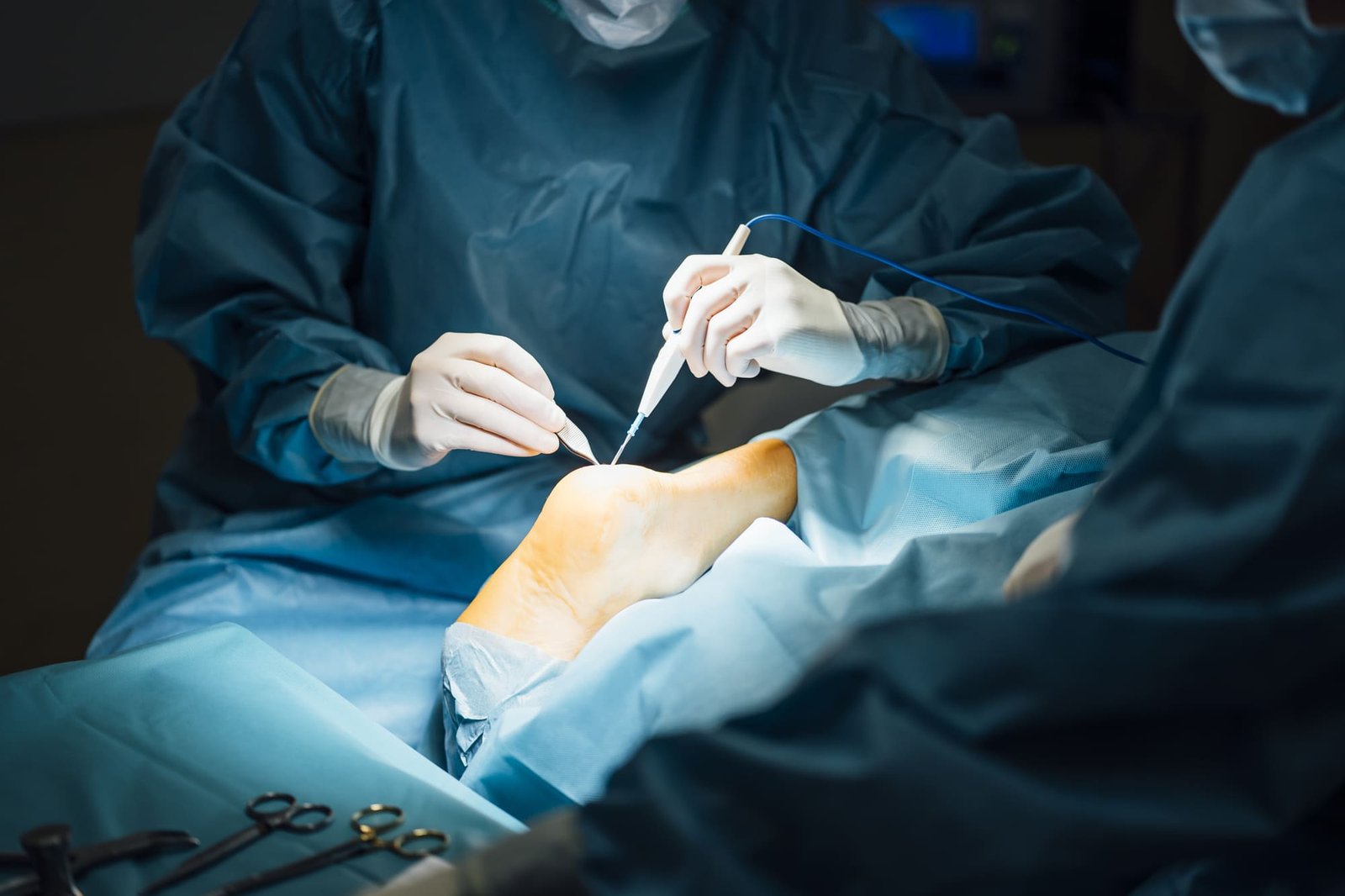
Paediatric Orthopaedic Trauma (Common Fractures in Children)

Overview

Paediatric fractures are common injuries resulting from falls, sports, or accidents. Children’s bones differ from adults due to the presence of growth plates (physes), increased elasticity, and a greater capacity for remodeling.Management focuses on restoring alignment while preserving growth potential and minimizing long-term complications.

Common Paediatric Fractures

Upper Limb

  • Supracondylar humerus fractures
  • Lateral condyle fractures of the humerus
  • Forearm fractures (radius and ulna)
  • Distal radius fractures
  • Clavicle fractures

Growth Plate (Physeal) Injuries

  • Salter-Harris fractures (Types I–V)
  • Commonly affect distal radius, distal tibia, and distal femur

Lower Limb

  • Femoral shaft fractures
  • Tibial shaft fractures (including toddler’s fractures)
  • Ankle fractures (physeal injuries)
  • Foot fractures

Indications for Surgery

Children with fractures may present with:

  • Pain and swelling
  • Refusal to use the limb
  • Deformity or abnormal positioning
  • Limping or inability to bear weight
  • Tenderness on examination

Diagnosis

Clinical Evaluation

  • Mechanism of injury
  • Assessment of deformity and swelling
  • Neurovascular examination
  • Evaluation for non-accidental injury (in selected cases)

Imaging

  • X-rays – First-line investigation
  • CT scan – Selected complex injuries
  • MRI – Occult fractures or growth plate assessment

Non-Surgical Management

Most paediatric fractures can be treated conservatively:

  • Immobilization with casts or splints
  • Closed reduction when required
  • Regular follow-up with X-rays

Children have a strong capacity for bone remodeling, allowing good outcomes even with minor residual deformity.

Surgical Management

Surgery is indicated in unstable or displaced fractures.

Common techniques include:

  • Closed reduction and percutaneous pinning (e.g., supracondylar fractures)
  • Elastic stable intramedullary nailing (ESIN)
  • Plate fixation (selected cases)
  • External fixation (severe trauma)

Care is taken to avoid damage to growth plates.

Expected Outcomes

  • Rapid bone healing
  • Restoration of function
  • Excellent remodeling potential

Risks and Complications

  • Malunion
  • Growth disturbance or limb length discrepancy
  • Neurovascular injury
  • Infection (rare)
  • Compartment syndrome (in specific fractures)

Rehabilitation and Recovery

  • Short immobilization period compared to adults
  • Early return to activity
  • Physiotherapy in selected cases

Prognosis

Children generally have excellent outcomes due to rapid healing and remodeling. Early diagnosis and appropriate management are key to preventing long-term complications.

Summary

Paediatric fractures are common and usually heal well with appropriate treatment. Special consideration of growth plates and bone remodeling allows for excellent functional recovery in most cases.