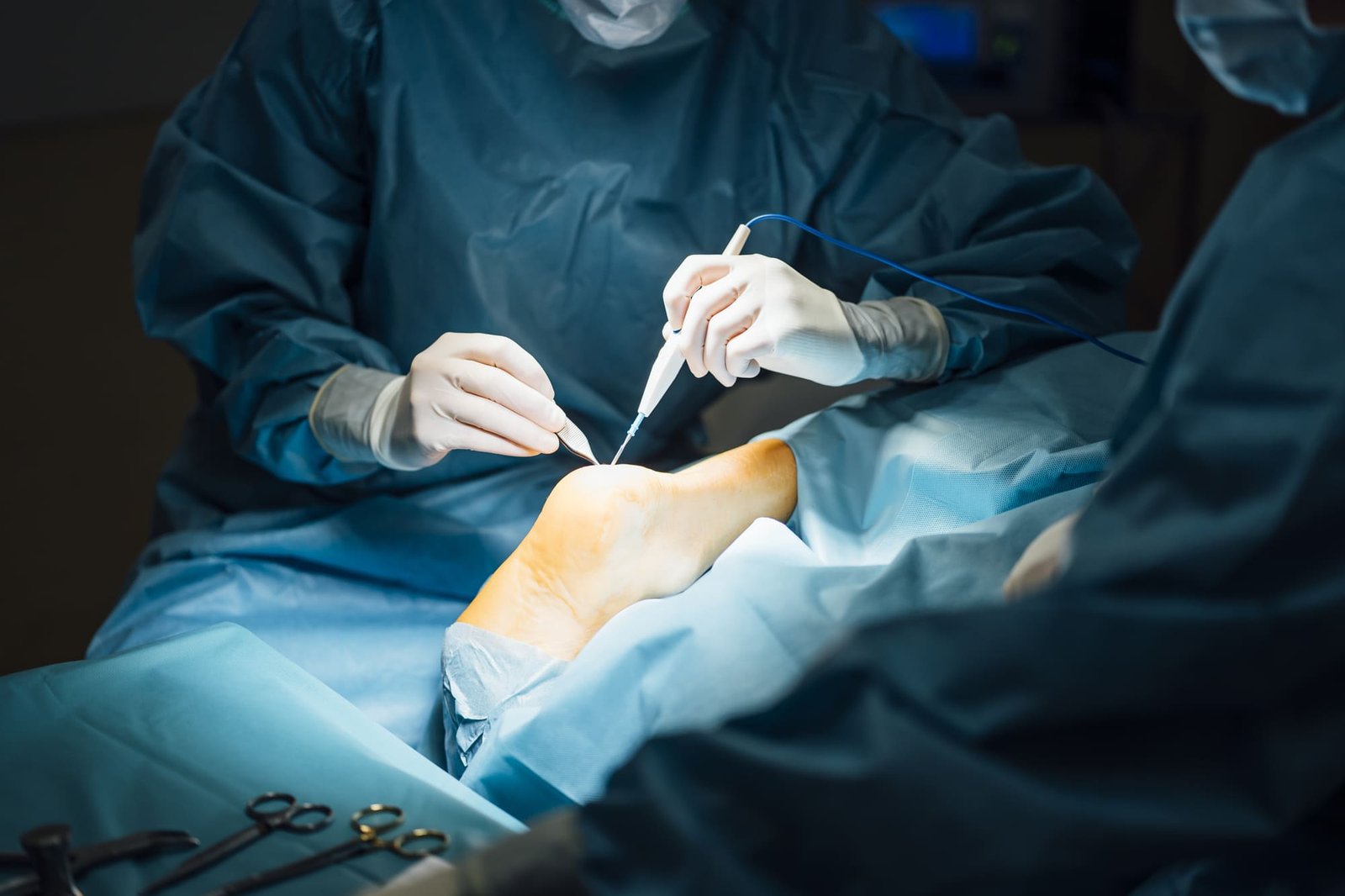
Management of Limb Lacerations (Upper and Lower Limbs)

Overview

Lacerations are cuts or tears in the skin and underlying tissues, commonly resulting from sharp objects, trauma, or accidents. Depending on the depth and severity, they may involve skin, subcutaneous tissue, tendons, nerves, or blood vessels.Prompt and appropriate management is essential to prevent infection, restore function, and achieve optimal wound healing.

Common Types of Fractures Managed

Lacerations may vary in severity and complexity:

  • Superficial skin lacerations
  • Deep soft tissue lacerations
  • Tendon lacerations (flexor or extensor)
  • Nerve injuries
  • Vascular injuries
  • Contaminated or crush wounds
  • Open injuries associated with fractures

Clinical Presentation

Patients may present with:

  • Open wound with bleeding
  • Pain and swelling
  • Loss of movement (suggesting tendon injury)
  • Numbness or altered sensation (nerve involvement)
  • Weak or absent pulses (vascular injury)
  • Visible contamination or foreign bodies

Assessment

Clinical Evaluation

Imaging

Non-Surgical Management

Suitable for simple, clean wounds:

  • Wound cleaning and irrigation
  • Local wound closure (sutures, adhesive strips)
  • Tetanus prophylaxis
  • Antibiotics in selected cases
  • Dressing and follow-up

Surgical Management

Indicated for deep or complex injuries.

Key principles include:

  • Thorough wound debridement
  • Exploration of the wound
  • Repair of injured structures:
    • Tendons
    • Nerves
    • Blood vessels
  • Layered closure of soft tissues
  • Management of associated fractures if present

Expected Outcomes

  • Proper wound healing
  • Restoration of function
  • Good cosmetic outcome

Risks and Complications

  • Infection
  • Wound dehiscence
  • Tendon adhesions or rupture
  • Nerve deficits
  • Scarring

Rehabilitation and Recovery

  • Wound care and dressing changes
  • Early controlled mobilization (if tendon repair performed)
  • Physiotherapy for functional recovery

Prognosis

Outcomes depend on the severity of the injury, structures involved, and timing of treatment. Early and appropriate management generally leads to excellent recovery.

Summary

Lacerations of the upper and lower limbs range from simple skin injuries to complex wounds involving critical structures. Prompt assessment and appropriate management are essential to ensure optimal healing, restore function, and minimize complications.